
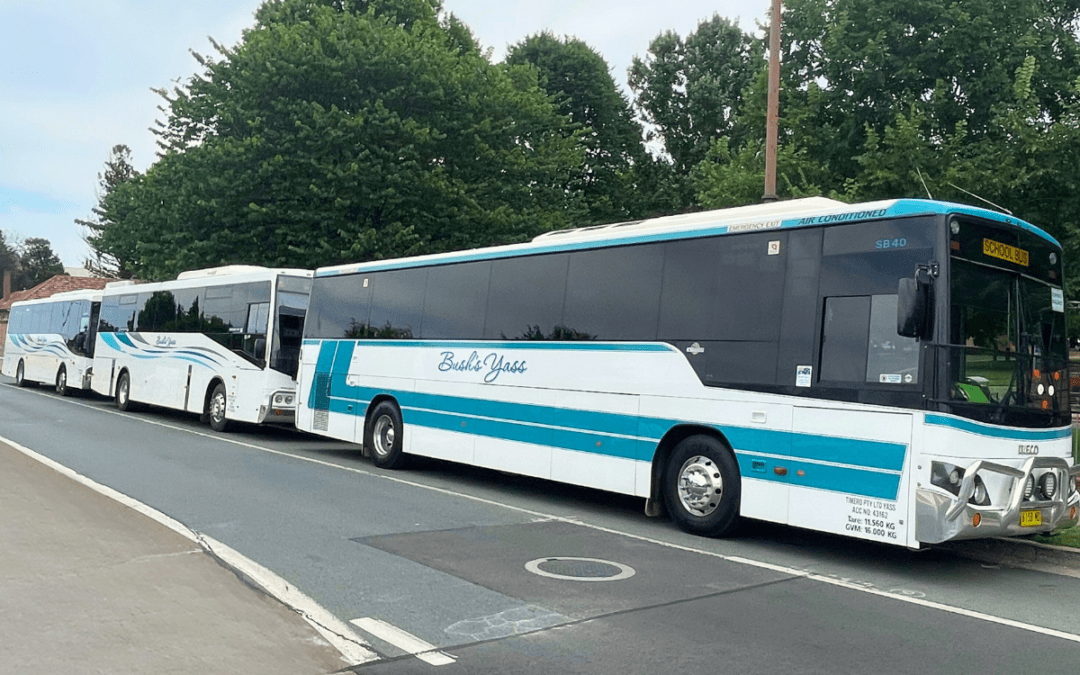
A large number of established Australian fleet operators manage a diverse mix of vehicles, helping them serve the range of needs of their customer base and community. Many operate school buses, minibuses, charter coaches, and transit vehicles within the same fleet, offering the flexibility to serve different routes and group sizes as needed.
This can create a challenge when it comes to streamlining and affordably managing onboard systems, maintenance, and repair, including the essential HVAC systems.
Why would having different HVAC systems cause issues?
Regardless of the size of the vehicle, the HVAC system’s role is to continuously regulate temperature, humidity, and airflow, which can be made difficult by Australia’s tendency for extreme weather and the need to constantly open the doors.
If your fleet contains a variety of HVAC models and configurations, maintenance and servicing can become a more complex task, and often more expensive too.
If you have two or three different systems in use, that likely means three different varieties of spare parts, three different service specialists, and a major learning curve when it comes to troubleshooting and diagnostics. As a result, you may have to allow for longer repair times, higher inventory costs, and a greater disruption to your business if vehicles need to be taken off the road for repairs or maintenance.
How can having standardised HVAC help?
By limiting the number of HVAC systems in use for your fleet, operators can:
- Streamline maintenance processes
- Have the right spare parts on hand
- Create preventative maintenance schedules
- Become more familiar with their HVAC equipment.
- Reduce lifecycle costs
- And more!
When systems share common components and servicing needs, operators are able to reduce the number of spare parts they need to have in stock, as well as being able to benefit from higher-quantity purchasing.
This approach can also extend the lifespan of HVAC equipment when supported by a structured maintenance plan, saving you considerable time and money over the lifespan of your fleet.
How do you standardise your fleet’s HVAC?
At Coachair, we work with operators who are looking to simplify their fleet operations and maintenance, helping them keep their buses and coaches on the road year-round. Through fleet audits and equipment assessments, we identify the HVAC units currently in use, evaluate their condition, and assist in creating a practical and cost-effective plan toward fleet standardisation.
Our approach is designed to support operators at every stage of the HVAC lifecycle, offering through life support – that means we’re there for every step, from helping you select the right system for new vehicles through to servicing, spare parts, and long-term maintenance of your existing systems.
Coachair’s team works alongside you to help your equipment continue to perform reliably for years to come, as well as being a call away when you need emergency repairs or spare parts.
For bus and coach businesses operating across Australia’s varied climates and demanding routes, consistency makes a real difference. Standardising your HVAC systems will help reduce downtime, simplify maintenance, reduce costs, and deliver reliable passenger comfort.
With the right partner supporting the process, achieving fleet consistency becomes a simple task. Chat to our friendly team today to discuss how we can assist with your fleet.